Raw gets one thing right: real food. Cooked fresh keeps that and drops the rest: the raw meat, the handling and the guesswork. With UKHSA guidance and FSA data behind the comparison.
Real food, not pellets★Gently cooked at 90°C★Developed with UK vets★Portioned to your dog★Pause or cancel anytime★Real food, not pellets★Gently cooked at 90°C★Developed with UK vets★Portioned to your dog★Pause or cancel anytime★Real food, not pellets★Gently cooked at 90°C★Developed with UK vets★Portioned to your dog★Pause or cancel anytime★
The short answer
Cooked fresh is the smarter choice. You get the same real meat and veg raw feeders want, gently cooked at 90°C, complete and balanced, with no raw meat to handle at home. Raw pet food can carry bacteria such as Salmonella and E. coli that cooking would normally kill, and official guidance asks raw feeders to take extra care.
Same real-food idea, cooked
No raw meat on your worktop
Complete and balanced, vet-developed
Raw’s big idea
All the real food. None of the raw meat.
Raw feeders are right about one thing: dogs deserve real food, not pellets. Tuggs keeps that and fixes the parts that make raw hard work.
01
Real food, kept real
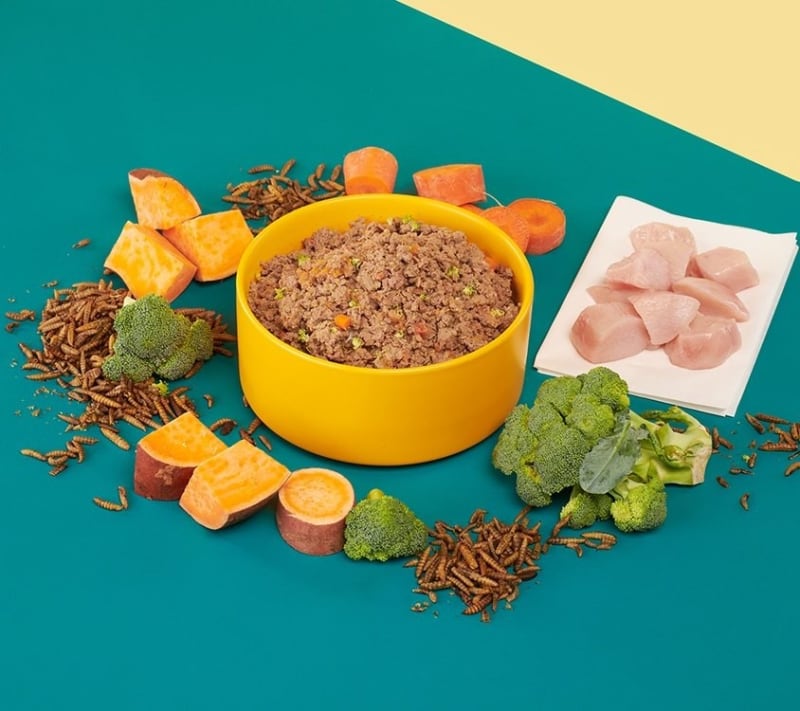
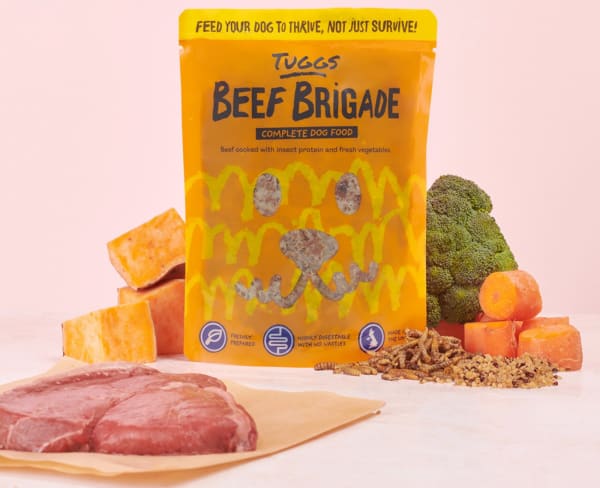
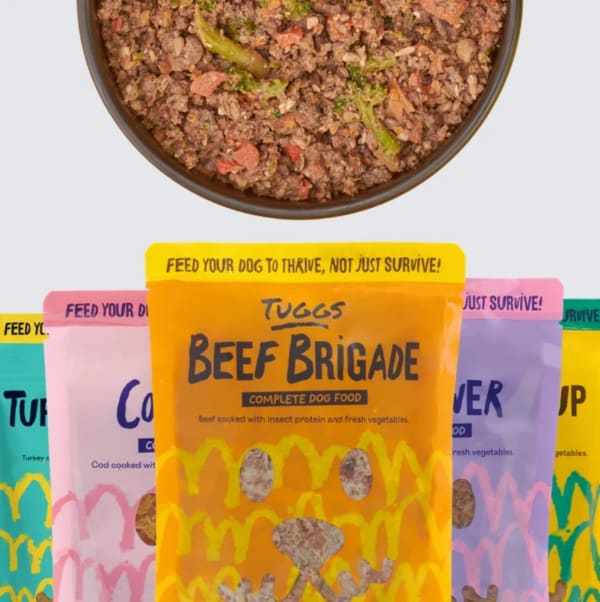
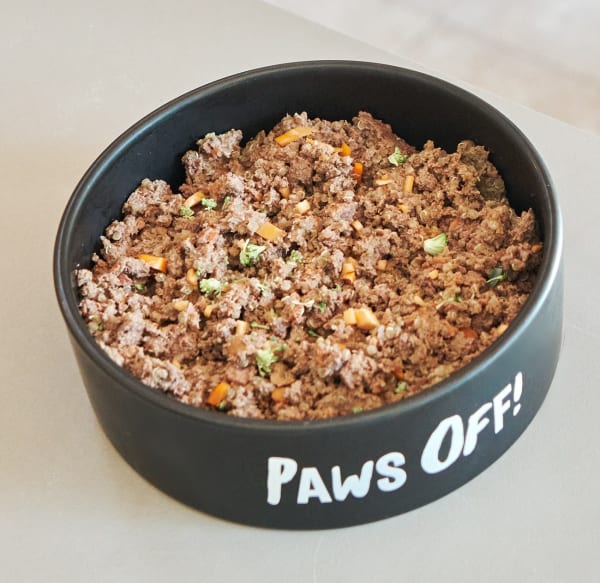
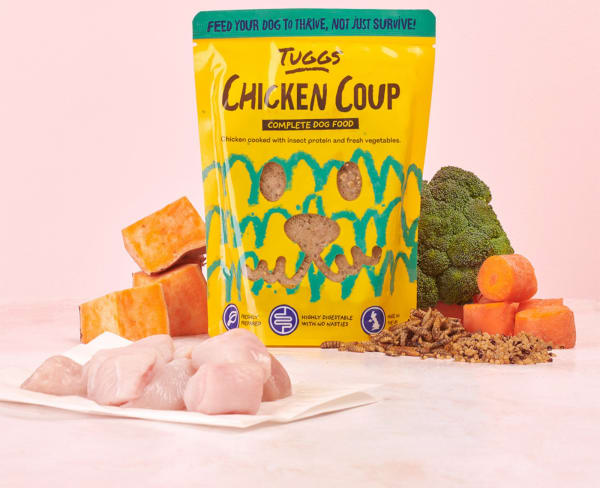
40% to 50% named meat or fish with real veg, so you can see exactly what’s in the bowl. Everything raw feeders love about real food.
02
Cooked at 90°C
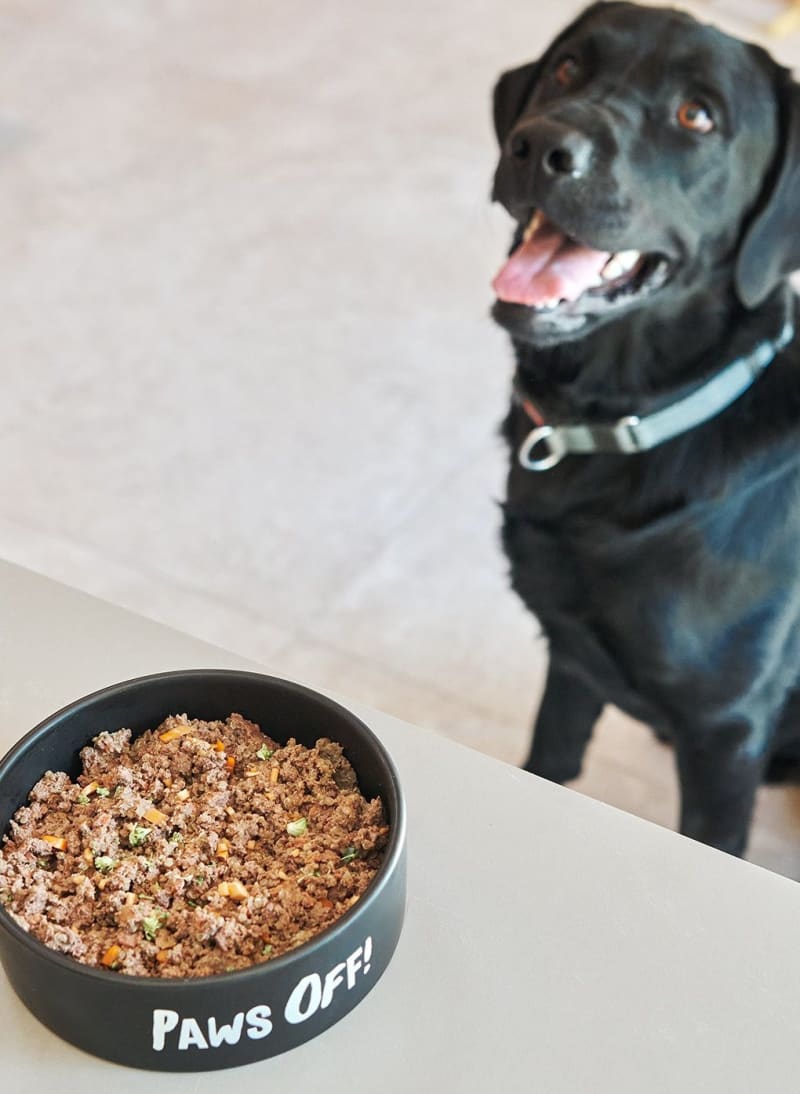
Gently cooked, then frozen, so there’s no raw meat to handle and no raw meat juices to spread across your worktop, your hands or your dog’s bowl.
03
Complete, without the maths
Getting a raw diet balanced is hard, especially at home. Every Tuggs recipe is complete and balanced, developed with UK vets and a registered nutritionist.
How it’s made
A Tuggs meal, step by step
Four steps from real ingredients to a bowl that looks like dinner, with the cooking step in the middle.
40-50% meat or fish01 / 04Cooked, then frozen02 / 04Frozen, boxed03 / 04Ready to serve04 / 04
40-50% meat or fish
01
Real ingredients
Named meat or fish makes up 40% to 50% of every recipe, with veg like broccoli, carrot and sweet potato. Human-grade, and listed in full on every pouch.
Cooked, then frozen
02
Cooked gently, then frozen
Slow, gentle cooking keeps every recipe soft and moist, at around 70% moisture, with the real veg cooked in rather than sprinkled on top.
Frozen, boxed
03
Frozen and portioned
Each pouch is frozen at peak freshness with no artificial preservatives, in the portions your plan needs. Keep pouches in your freezer for up to 12 months, then thaw what you need.
Ready to serve
04
Delivered, then served
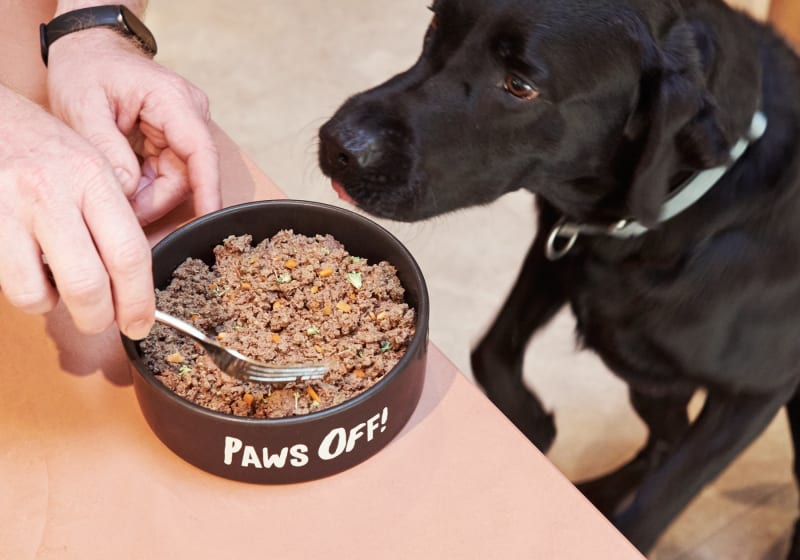
Your plan sets the daily grams from your dog's age, weight and activity. Thaw in the fridge, serve, and watch the bowl empty. Skip, pause or change your box anytime.
Most pet food is cooked hot and fast. We cook low and slow at 90°C, keeping the nutrients, flavour and goodness that high heat destroys, then freeze immediately to lock it in.
Tuggs, gently cooked90°C
Shelf-stable food120°C
Traditional kibble180°C+
Frozen to lock in nutrition
We gently cook our recipes, then freeze immediately to lock in nutrients, flavour and goodness.
At a glance
Fresh vs raw dog food: where cooked fresh wins
Fresh vs raw dog food: where cooked fresh wins
Compared on
Raw food
Cooking
Cooked at 90°C, then frozen
Not cooked
Bacterial risk
Cooked at 90°C, no raw meat
Salmonella in 1 in 5 UK retail raw samples tested (FSA survey)
Handling at home
Defrost, serve, wash hands
Handle like raw meat: separate boards, bowls and hands
Complete, balanced
Every recipe, vet-developed
Only if formulated well; home-made is risky
Ingredients
40–50% named meat or fish
Raw meat, offal, bone
Storage
Frozen; defrost as needed
Frozen; defrost as needed
Portions
Set to the gram for your dog
You weigh and portion it yourself
Try first
7 days from £7, 3 gifts
Varies by brand
Households
No raw meat around the family
Extra care with children and vulnerable people (UKHSA)
If you love the idea of raw, you already believe in real food. Tuggs gives your dog exactly that, 40% to 50% named meat or fish with real veg, gently cooked at 90°C so there’s nothing raw to handle. Switch gradually across a week and watch how they get on.
Why cooking matters
UKHSA warns that raw pet food can carry bacteria such as E. coli and Salmonella that cooking would normally kill, and that they can spread to hands, worktops and bowls at home.
Tuggs is gently cooked at 90°C before it’s frozen. You keep the real ingredients and leave the raw meat behind.
Keep reading
Is raw dog food nutritionally complete?
Some commercial raw foods are complete, but balancing raw is hard, and veterinary reviews name home-prepared raw diets as a particular risk, with problems such as imbalanced calcium and phosphorus.
Every Tuggs recipe is complete and balanced, developed with UK vets and a registered nutritionist, so it can be fed as the whole diet.
What raw asks of you
Official guidance for raw feeders is a long list: wash hands after every handling, use separate utensils and surfaces, defrost away from other food and bin leftovers promptly.
With Tuggs it’s defrost, scoop and serve. Keep pouches frozen until needed, follow the storage guidance on the pack and wash your hands as you would with any dog food.
Moving from raw to cooked fresh
Go gradually over about a week, mixing a little more Tuggs into the raw each day. Watch appetite and stools and keep treats simple.
If your dog has a health condition or has been on a vet-supervised diet, speak to your vet before changing anything.
Cost, storage and convenience
Raw and fresh are both usually frozen, so both need freezer space. A Tuggs delivery takes up roughly two or three loaves of bread of room.
On cost, we can only speak for ourselves: you can try Tuggs for 7 days from £7, and your plan price depends on your dog.
Got questions?
Fresh vs raw dog food: your questions, answered
Can’t find what you’re looking for? Email woof@tuggs.uk and a real person will get back to you.
Not in our view. Raw and cooked fresh share the same real-food idea, but raw adds bacterial risk and extra handling that UKHSA guidance flags. Cooked fresh gives your dog real meat and veg, complete and balanced, without raw meat in your kitchen.
Raw pet food can carry bacteria such as Salmonella and E. coli that cooking would normally kill, according to UKHSA, and an FSA retail survey found Salmonella in 20% of the 306 retail raw samples reported. Feeding raw safely takes careful handling every meal. Cooked fresh takes the raw meat out of the picture.
It can, through bacteria on the food and cross-contamination of hands and surfaces. UKHSA lists under-5s, older people and people with weakened immune systems as at higher risk. Good hygiene lowers the chance considerably.
Some commercial raw foods are, but it’s easy to get the balance wrong, especially with home-prepared raw. Every Tuggs recipe is complete and balanced and developed with UK vets and a registered nutritionist.
Raw food isn’t cooked at all. Gently cooked food, like Tuggs, is cooked at 90°C and then frozen, so you keep real, recognisable ingredients without the raw-meat risk.
We can only speak for Tuggs. You can try it for 7 days from £7, and your ongoing price depends on your dog’s size and plan. We’d suggest comparing a like-for-like daily amount for your own dog.
You can, but you keep the raw handling. If you’re moving away from raw, mix in a little more Tuggs each day until the bowl is fully cooked fresh, weighing both so the daily total suits your dog, and keep raw and cooked prep separate.
Go gradually over about a week, mixing in a little more Tuggs each day. Watch appetite and stools, keep treats simple and take it slower for sensitive dogs. If your dog has a health condition, speak to your vet first.